AGAPE FOUNDATION INCFaith · Service · Development

Building Stronger Communities Through Faith, Service & Development

History, Sovereignty
& Agape

A documentary reflection on treaties, homelands, and a love that serves — presented by AGAPE FOUNDATION INC.

  • 3:59 runtime
  • 1080p 16:9 landscape
  • English narration & captions
  • Primary sources cited on screen
History, Sovereignty & Agape · AGAPE FOUNDATION INC Download the film (94 MB)

The film is captioned. Captions are burned into the picture and also supplied as a separate track — use the player’s caption control, or download the .srt file to use elsewhere.

Introduction

What this film is

History, Sovereignty & Agape asks three questions and then turns inward. What did the United States and Morocco actually agree to in 1786? What did the Louisiana Purchase of 1803 actually transfer? And where does the word “Jew” come from? The film answers each from primary documents — then offers a spiritual reflection, clearly marked as interpretation, and closes on agape as service.

It is a documentary of restraint. Every quotation is reproduced verbatim from a cited source. Where the record is documented history, the film says so. Where the film moves into theology, it says that too.

  • Documented history — the 1786 and 1836 Morocco treaties, the 1803 Louisiana Purchase, and the derivation of the word “Jew”, each cited to primary sources and scholarship.
  • Theological interpretation — “Regaining Judah”, presented as a metaphor for returning to God-centred living: not a land claim, not proof of ancestry.
  • Agape in action — selfless, righteous love expressed as service, ethical stewardship, and respect for God’s sovereignty.

What the film covers

Four movements, in order

I

U.S.–Morocco Treaties

The Treaty of Peace and Friendship concluded in 1786, ratified by the United States in 1787, and renewed in 1836. Its articles on peace, commerce, ships and citizens are read aloud from the certified English translation.

The film states plainly what the treaty did not do: it did not transfer ownership of America, and it did not establish Indigenous Americans as Moroccan subjects.
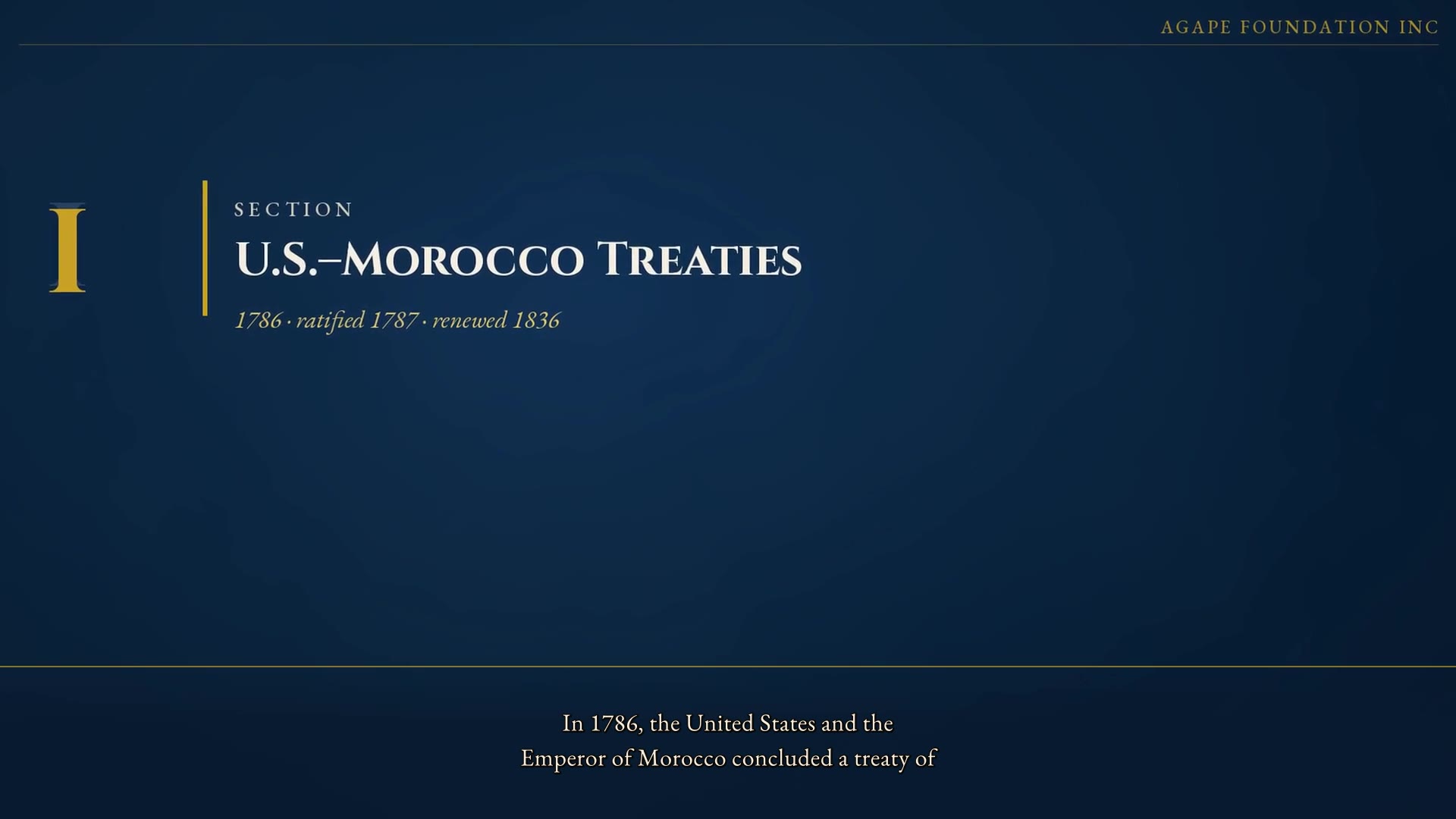
A treaty page from the 1786 Treaty of Peace and Friendship with Morocco, shown in the film
II

Indigenous Nations & the Louisiana Purchase

Indigenous nations are honoured as they are: living cultures, enduring homelands, and sovereign governments — present tense, not past tense.

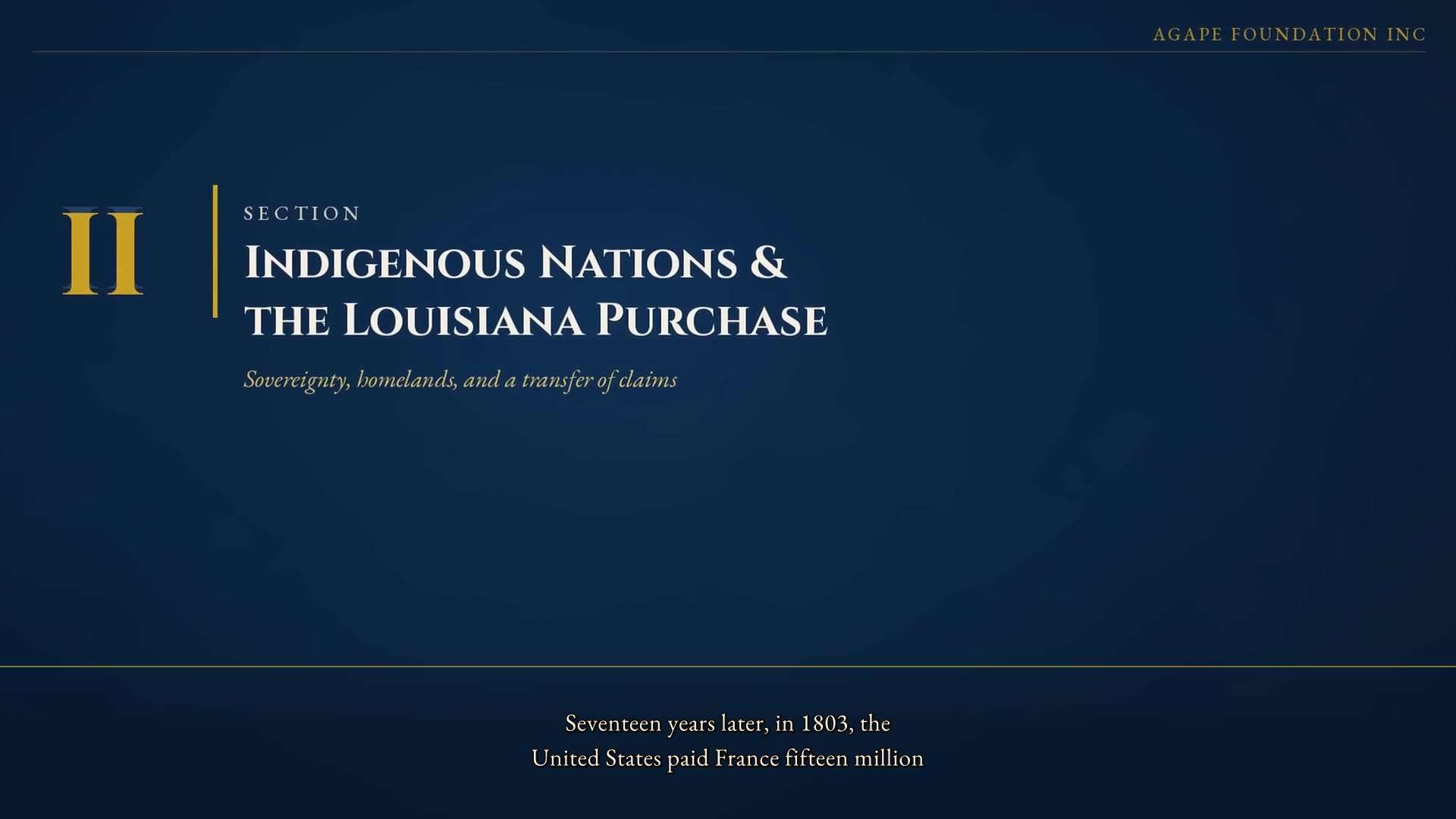
In 1803 the United States paid France $15,000,000 for territorial claims covering approximately 828,000 square miles. The film is explicit that this agreement did not constitute Indigenous nations’ consent to surrender their homelands.

A map of the Louisiana Purchase territory, 1803, shown in the film
III

Judah and Jerusalem

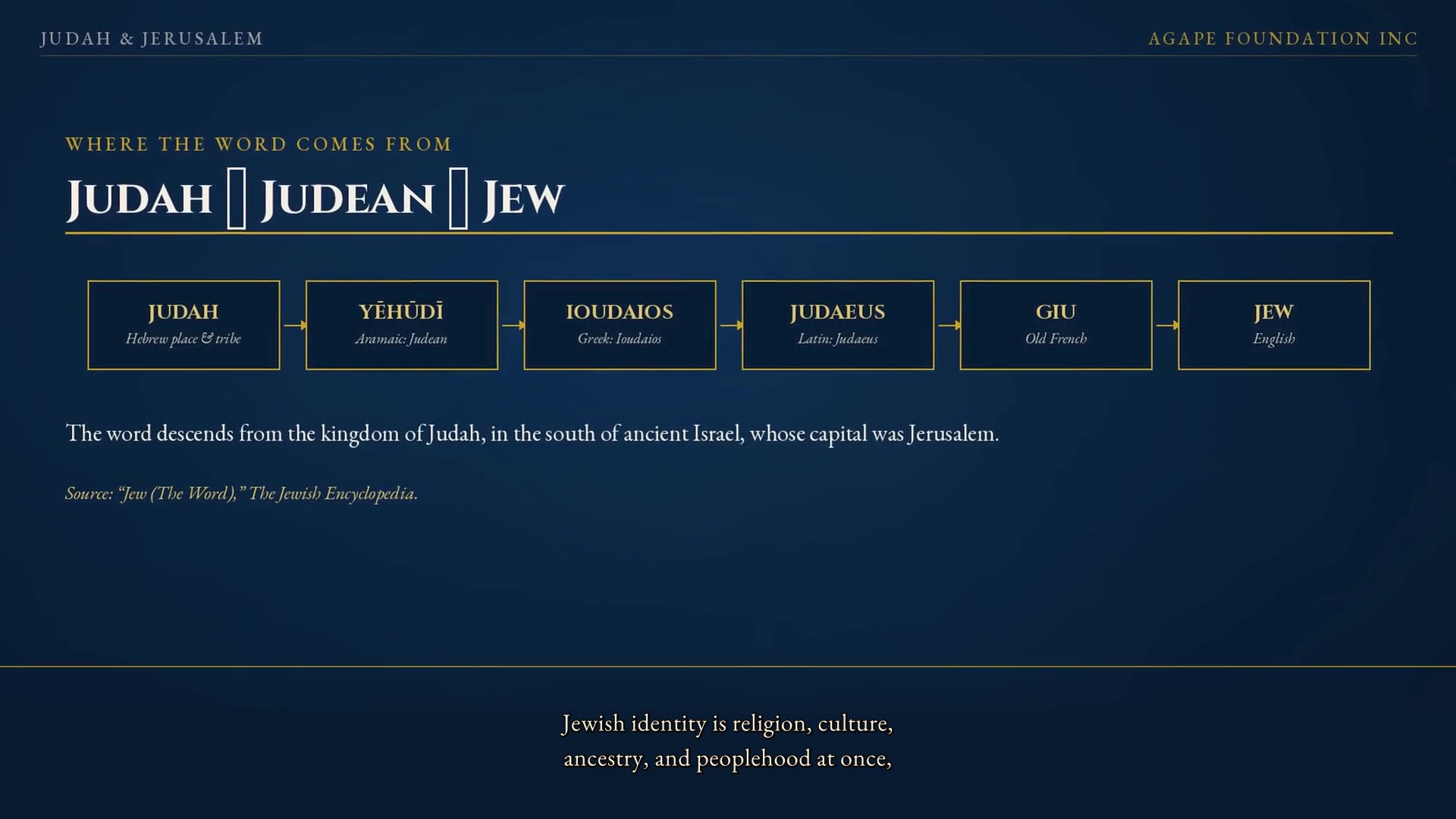
The word “Jew” descends from Judah, through Aramaic, Greek and Latin terms meaning “Judean”, to Old French and English. Jewish identity is described as encompassing religion, culture, ancestry and peoplehood.

Jewish, Moroccan and Indigenous identities are kept distinct. The film invents no shared ancestry between them.

A card showing the derivation of the word Jew, shown in the film
IV

Agape in Action

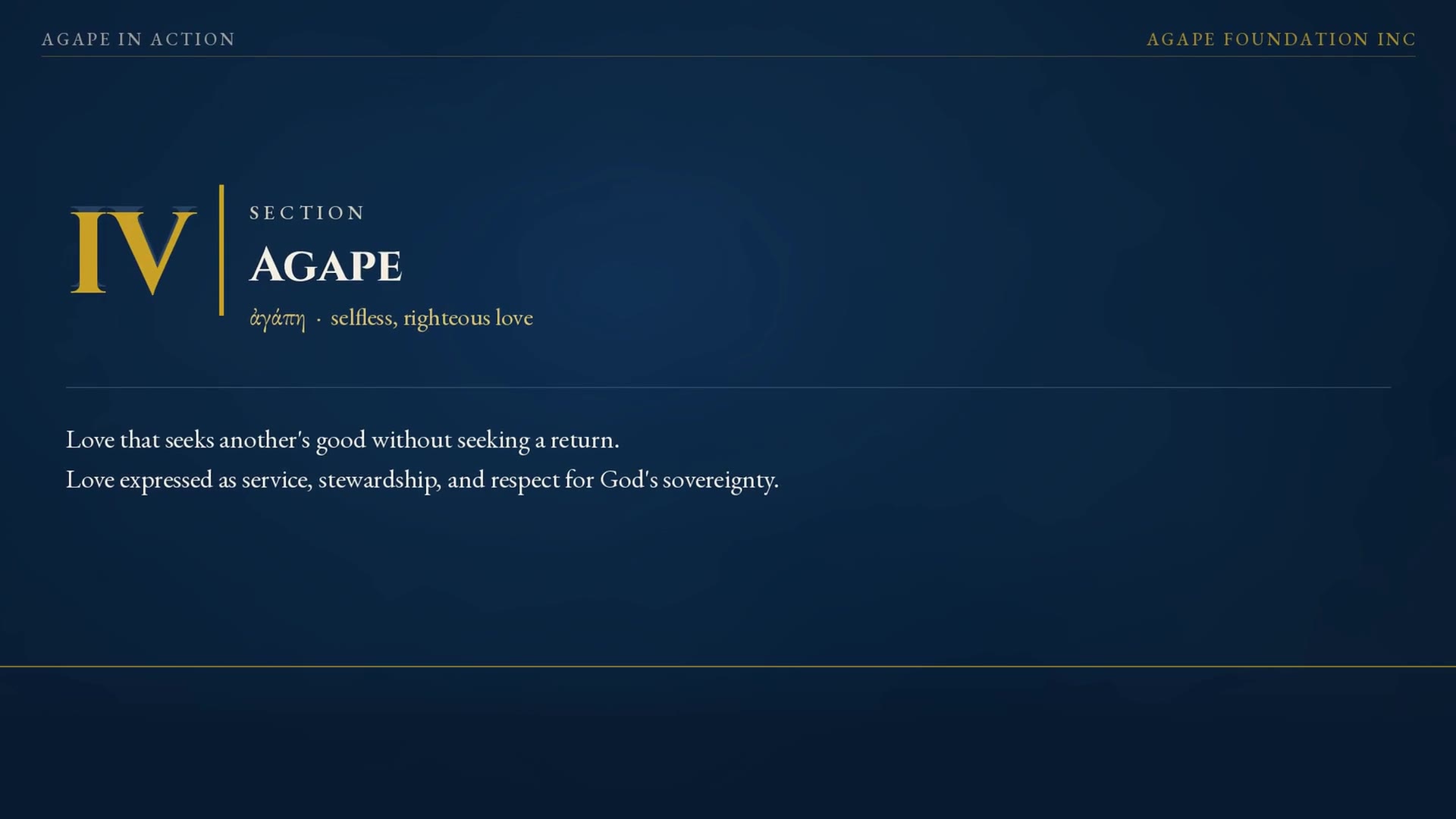
Agape is presented as selfless, righteous love expressed through service, ethical stewardship, responsible living, justice, and respect for God’s sovereignty.

Debt-free organisational practice is held up as an aspiration — and the film says on screen that the foundation does not claim to be debt-free today.

A motion-graphics card on agape, shown in the film

Please note

How to read this film

Documented history

Sections I–III rest on primary sources: the certified English translations of the 1786 and 1836 Morocco treaties, the Louisiana Purchase Treaty of 1803, the National Museum of the American Indian, and The Jewish Encyclopedia. Quotations are reproduced verbatim; the full list is on the Sources page.

Theological reflection

Section IV is labelled on screen as theological reflection. “Regaining Judah” is a metaphor for returning to God-centred living. It is not a land claim and not proof of ancestry. Saul and David came from different family lines; their stories are told here for humility, repentance, justice and accountability.

No invented voices

The film contains no fabricated interviews, quotations, endorsements or organisational credentials. Atmospheric imagery is original and credited as such; treaty pages are typographic transcriptions of the published text, not photographed documents.

AGAPE FOUNDATION INC

Preservation. Reinvestment. Restoration.

AGAPE advances projects and partnerships that strengthen people, place, history and opportunity. The foundation serves veterans, families, rural communities and underserved populations through housing, infrastructure, technology, economic development, preservation and compassionate service.

Veterans Housing

Accessible, dignified housing and supportive community models designed around independence and long-term stability.

Community Development

Housing, neighbourhood reinvestment, workforce growth and local economic opportunity.

Rural Development

Agriculture, infrastructure, energy, housing and economic development for rural communities.

Technology & Infrastructure

Water, broadband, communications, artificial intelligence, utility and resilience initiatives.

Future development

Agape Crossings

A working name for the ±67-acre mixed-use community planned at 1936 Elkton Pike, inside the Pulaski city limits in Giles County, Tennessee.

±67 acres in the city

±62 acres of residential land and ±5 acres of commercial frontage on Elkton Pike, with city water and sewer already on site.

Homes at every scale

A concept plan of 67 single-family lots, 169 multi-family and cottage homes, and commercial frontage — 236 homes of three different types in one community.

Land everyone shares

Open space and a walking trail network, intended to carry the name Peace & Friendship Green after the 1786 treaty our film documents.

Agape Crossings is a working name. The project is under consideration and remains subject to due diligence, approvals, financing, land control, engineering and final agreements; concept yields are illustrative. See the full future-development page →

Downloads

Take the film and its sources with you

Everything below is free to download, share and screen.

The film (MP4) 1920×1080 · 16:9 · H.264/AAC · 3 min 59 s · narration, burned-in captions and gentle background music · 94 MB Download MP4
English captions (.srt) 47 timed cues, matching the narration, for re-use in other players, editors or platforms. Download .srt
Source list (PDF) Primary documents with links, every quotation reproduced verbatim, and image and data credits. Download PDF
Source list (Markdown) The same document in plain text, for copy-paste into notices, bulletins or press materials. View and copy

Support & contact

Support our work

Your gift supports AGAPE FOUNDATION INC — building stronger communities through faith, service & development. To reach us directly, call or email.

Donate

Phone 423-830-7721  ·  Email CRJSR@agape-intl.org

Study the treaties. Honor Indigenous sovereignty. Serve with agape.

AGAPE FOUNDATION INC

Faithfulness, love, growth & service